
Blog
The Complete Guide to Mushrooms: Health Benefits, Varieties & How to Use Them
Apr
Once relegated to pizza toppings and stir-fries, mushrooms have quietly become one of the most exciting ingredients in modern wellness. Here’s everything you need to know — from the forest floor to your kitchen counter.
By The Mushroom Collective·April 16, 2026·12 min read·Functional MushroomsNutritionWellness
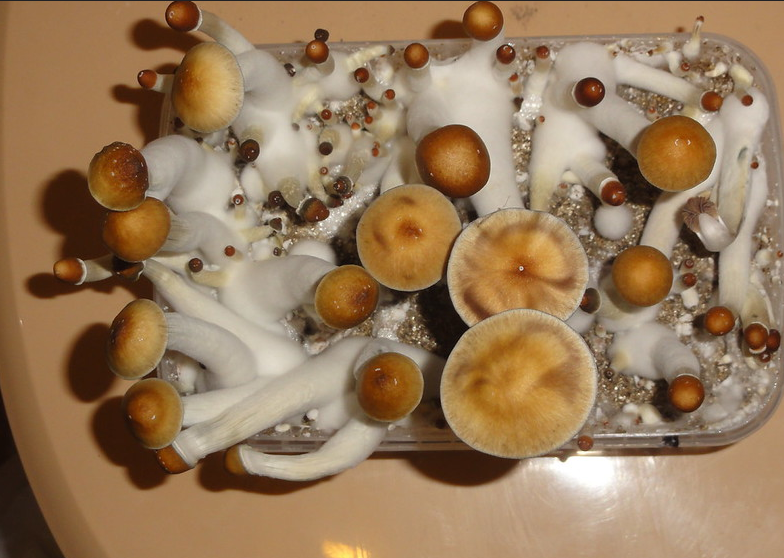
Illustration: forest mushroom varieties
Mushrooms are having a moment — and it’s well deserved. Across kitchens, wellness clinics, and research laboratories, these remarkable organisms are revealing capabilities that scientists are only beginning to fully understand. They sit at a strange and wonderful intersection: neither plant nor animal, technically a fungus, yet nutritionally closer to some meats than most vegetables.
This guide covers everything — the health science, the best varieties to know, how to cook them, and how to choose the right mushroom for whatever you’re trying to achieve.
14,000+known mushroom species worldwide
$34Bprojected market value by 2030
2,000+years of medicinal use in Asia
18gprotein per 100g of dried shiitake
What makes mushrooms so nutritionally special?
Unlike most vegetables, mushrooms are one of the few non-animal sources of ergosterol — a compound that converts to vitamin D2 when exposed to sunlight. Leave your mushrooms gill-side up on a windowsill for two hours before cooking, and you’ll dramatically increase their vitamin D content. That’s a trick your kale can’t do.
But the nutritional story goes deeper. Mushrooms contain:
Key nutrients found in mushrooms
- Beta-glucans — soluble fiber that feeds beneficial gut bacteria and modulates immune response
- Ergothioneine — a rare antioxidant amino acid that the body cannot synthesize on its own; mushrooms are its only significant dietary source
- B vitamins — including riboflavin (B2), niacin (B3), and pantothenic acid (B5), supporting energy metabolism
- Selenium — a trace mineral crucial for thyroid function and oxidative protection
- Copper and potassium — supporting heart health and electrolyte balance
- Complete proteins — dried mushrooms contain all essential amino acids, making them valuable for plant-based diets
“Ergothioneine may be a longevity vitamin. People who eat more mushrooms have higher blood levels of it — and it’s associated with reduced risk of mild cognitive impairment.” — Dr. Paul Stamets, mycologist
The 8 mushroom varieties every health-conscious person should know
Not all mushrooms are created equal. Here are the ones making the biggest impact in both nutrition research and gourmet kitchens.
Brain health
Lion’s Mane
Stimulates Nerve Growth Factor (NGF). Studies suggest benefits for memory, focus, and anxiety. Texture mimics crab or scallop when seared.
Immune & sleep
Reishi
Adaptogenic. Shown to reduce cortisol, improve sleep quality, and support immune modulation. Bitter taste — best as tea or tincture.
Antioxidant
Chaga
Technically a sclerotia, not a fruiting body. One of nature’s richest antioxidant sources. Mild, earthy flavor — brews like a dark herbal tea.
Energy & stamina
Cordyceps
Traditionally used to boost ATP production and oxygen utilization. Popular with athletes. Now cultivated on grain instead of insects.
Everyday cooking
Shiitake
The gold standard of culinary mushrooms. Rich in lentinan (immune-active beta-glucan). Deep umami, meaty texture. Dries beautifully.
Protein & versatile
Oyster
Fast-cooking, delicate fan shape. Blue, pink, and golden varieties available. High protein, low calorie. Excellent vegan meat substitute.
Cholesterol
Maitake
Also called “Hen of the Woods.” Associated with blood sugar regulation and immune response. Stunning layered appearance, rich flavor.
Rare & gourmet
Chanterelle
Seasonal and wild-harvested. Fruity, apricot-like aroma. A chef’s luxury ingredient. Cannot be cultivated — foraged only.
The science of medicinal mushrooms: what research actually shows
The wellness world moves fast and sometimes outpaces the evidence. With mushrooms, though, the science is genuinely compelling — and growing rapidly.
Immune function
Beta-glucans — the most-studied bioactive compound in mushrooms — have been shown in multiple clinical trials to activate macrophages, natural killer (NK) cells, and dendritic cells. These are your body’s frontline immune defenders. Shiitake’s lentinan has been approved as a pharmaceutical adjunct to cancer chemotherapy in Japan since 1985.
Cognitive health
A randomized controlled trial published in the Journal of Alzheimer’s Disease found that daily Lion’s Mane supplementation significantly improved cognitive test scores in older adults with mild cognitive impairment over 16 weeks. The mechanism: hericenones and erinacines in Lion’s Mane cross the blood-brain barrier and stimulate NGF synthesis.
Gut microbiome
Mushroom polysaccharides act as prebiotics — food for beneficial bacteria like Lactobacillus and Bifidobacterium. A healthier microbiome is now linked to everything from reduced inflammation to improved mood via the gut-brain axis. Cooking mushrooms actually increases their prebiotic fiber availability.
Science note
For medicinal benefits, choose products made from the mushroom fruiting body, not mycelium grown on grain. Fruiting bodies contain significantly higher concentrations of beta-glucans and other active compounds. Check the label — it matters.
How to cook mushrooms like a professional chef
The biggest mistake home cooks make with mushrooms? Crowding the pan. When mushrooms are too close together, they steam in their own water instead of browning — and you lose all that flavor. Follow these rules and you’ll never have watery mushrooms again.
The 5 rules of mushroom cookery
- Start dry, finish fat: Add mushrooms to a hot dry pan first. Once water evaporates (2–3 min), add butter or oil to brown.
- Never crowd: Use a large pan or cook in batches. Mushrooms need space to sear, not steam.
- Salt at the end: Adding salt too early draws out moisture and inhibits browning.
- High heat is your friend: Medium-high to high heat for most varieties. Gentle heat is for delicate chanterelles only.
- Deglaze with something delicious: A splash of dry sherry, white wine, or soy sauce at the end lifts the fond and deepens the flavor exponentially.
Three recipes worth knowing
Lion’s Mane “scallops”: Slice thick (1 inch), press gently to remove excess moisture, sear in clarified butter over high heat without moving for 3 minutes each side. Finish with a squeeze of lemon and fresh thyme. The interior stays custardy, the exterior gets golden and caramelized.
Shiitake dashi (Japanese umami broth): Soak 30g dried shiitakes in 1 litre cold water for at least 6 hours (or overnight). The slow cold extraction pulls out more glutamates than hot water. Use as a base for soups, risottos, or braised dishes.
Chaga chai: Simmer a golf ball-sized piece of raw chaga in 4 cups of water for 20 minutes. Strain, add oat milk, a cinnamon stick, two cardamom pods, and a teaspoon of maple syrup. Drink instead of your second coffee. The earthy depth is genuinely satisfying.
Fresh vs. dried vs. powder: which form is best?
The answer depends entirely on what you want from your mushrooms.
Fresh mushrooms are ideal for cooking. The texture, aroma, and culinary experience are unmatched. Use fresh oyster, shiitake, lion’s mane, and chanterelle in the kitchen.
Dried mushrooms concentrate flavor and nutrition. Dried shiitake has roughly five times more umami compounds than fresh. Rehydrate in warm water for 20 minutes — and use the soaking liquid in your dish.
Powders and extracts are best for medicinal use. A quality dual-extracted powder (hot water + alcohol extraction) delivers the full spectrum of beta-glucans and triterpenes. Look for powders with at least 25–30% beta-glucan content listed on the label.
Frequently asked questions
Can I eat medicinal mushrooms every day?
For most healthy adults, yes. Lion’s Mane, Reishi, and Chaga are well-tolerated in daily use. If you’re pregnant, nursing, or on immunosuppressants, speak with your doctor first. Rotate varieties for the broadest benefits.
Do mushrooms lose nutrients when cooked?
Some heat-sensitive vitamins (like folate) decrease with cooking, but for most mushrooms, cooking actually improves bioavailability. Beta-glucans and ergothioneine are heat-stable. Sautéing in fat improves absorption of fat-soluble compounds.
Are mushroom supplements regulated?
In most countries, mushroom supplements are regulated as dietary supplements, not pharmaceuticals — meaning quality control varies significantly between brands. Always look for third-party tested products with verified beta-glucan content.
What’s the difference between mycelium and fruiting body products?
The fruiting body is the visible mushroom cap and stem. Mycelium is the root-like network. Most research is conducted on fruiting bodies, which contain higher concentrations of active compounds. Products made from mycelium grown on grain may be mostly grain starch.
How do I store fresh mushrooms properly?
Store in a paper bag (not plastic) in the fridge. Paper absorbs excess moisture and prevents sliminess. Most fresh mushrooms stay good for 5–7 days. Never wash until ready to use — excess moisture accelerates spoiling.
